About
THE WHOLE STORY
God made you for Himself. We turned away from Him. Jesus Christ came to save us. He died, rose from the dead, and is coming again. What happens next depends on how you respond to Him.
This is the Gospel - the message at the heart of Christianity. It is not merely a set of moral rules or a philosophy for living a better life. It is an account of who we are, what went wrong with our world, what God has done about it, and where all of this is going.
You may not believe it. But if it is true, nothing matters more.
1
God created you for Himself.
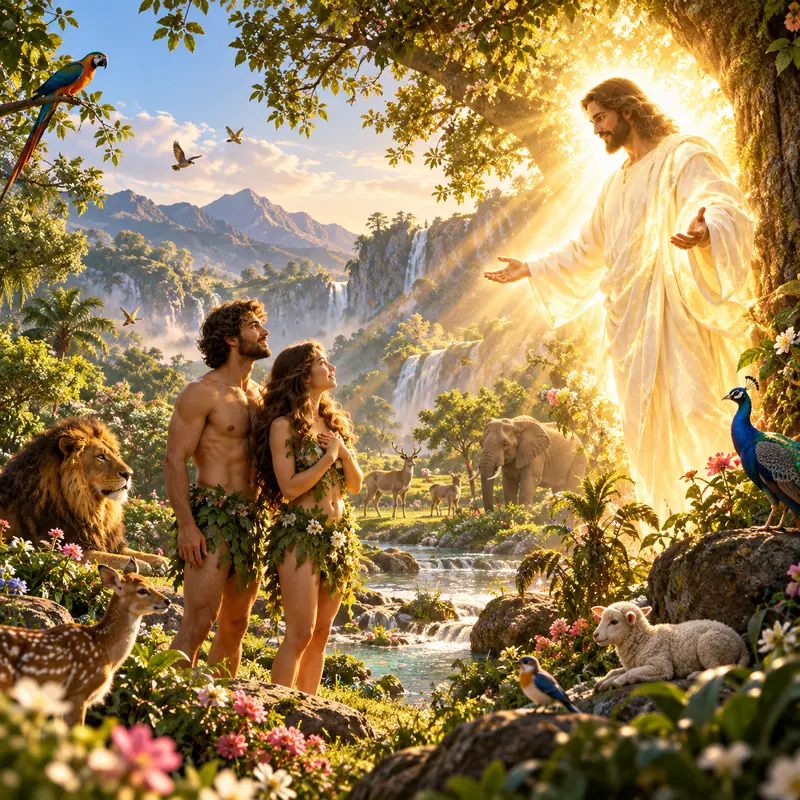
God made us in His image
There is a God, and He created everything that exists.
The universe is not self-existent, and neither are we. Christianity teaches that behind all creation stands an eternal, intelligent, personal God — the source of life, truth, goodness and everything that exists. He did not merely set the universe in motion and abandon it. He knows His creation, sustains it, and cares about what happens within it.
Human beings are unlike anything else He created.
God made mankind in His own image. We can reason, distinguish good from evil, love, make moral choices, and seek the meaning of our existence. We are not simply biological machines with no purpose beyond survival. Every human life has intrinsic worth because every human being bears the image of the Creator.
He made us to know Him, love Him, and live with Him.
God did not create us because He was lonely or needed servants. He needs nothing. He made us out of love, to share in His goodness and live in fellowship with Him. We were intended for a life without sin, corruption or death — with God Himself at its center.
But He did not make us prisoners.
Love requires freedom. God gave human beings the ability to obey Him or turn away, to trust His wisdom or insist on our own. And from the beginning, mankind chose the latter.
2
We rebelled against God — and brought sin and death into the world.

Sin separates us from God
Mankind chose to decide good and evil for itself.
In the Garden of Eden, Adam and Eve had everything they needed. Yet they believed the temptation that they could disregard God's command and become like God themselves. They chose their own judgment over His. That first rebellion broke mankind's fellowship with its Creator.
We have been making the same choice ever since.
Sin is not just murder, cruelty or some other terrible act. Every time we lie, deceive, act selfishly, nurture hatred, exploit another person or knowingly do what is wrong, we repeat that rebellion. We want to be good by our own standards, while reserving the right to disobey God whenever His will conflicts with ours.
Every one of us is guilty. Not merely the especially wicked. All of us.
And God cannot simply pretend that evil does not matter.
We rightly demand justice when someone commits a terrible wrong. We would not call a judge good if he dismissed every crime without consequence. Yet we often expect God to overlook our own wrongdoing. But a perfectly good God must also be perfectly just. Evil cannot be declared innocent merely because we would prefer not to answer for it.
The consequence of sin is death — and separation from God.
God is the source of life. By turning away from Him, humanity brought corruption, suffering and death into the world. Our bodies die, but Scripture teaches that our existence does not simply end there. We must ultimately answer to the God who made us.
And here is our predicament: we cannot undo the past. A lifetime of charitable deeds cannot make yesterday's wrongdoing disappear. We cannot make ourselves innocent.
If we are to be saved, someone else must rescue us.
3
God Himself came to rescue us — and defeated death.
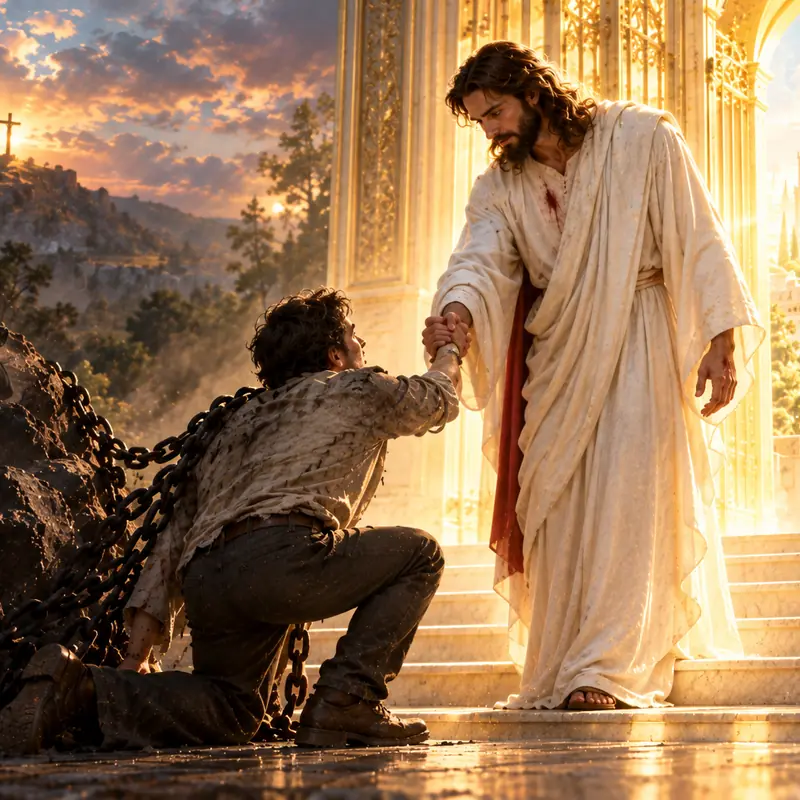
Jesus surrendered to the cross
God did not abandon the very people who rebelled against Him.
He could have left us to suffer the consequences of our choices. Instead, He came for us. Jesus Christ was not merely a remarkable teacher, prophet or moral example. Christianity makes the extraordinary claim that He is God the Son, who entered His own creation and became truly human.
He lived the life we failed to live.
Jesus experienced hunger, exhaustion, sorrow, temptation and suffering. He knew what it meant to be human. Yet He never sinned. He loved the Father perfectly, told the truth even when it cost Him dearly, showed mercy to sinners, and refused every temptation to turn away from God.
For the first time since mankind's fall, a human life was lived in perfect obedience to God.
Then He willingly took the punishment for our sins.
Jesus was arrested, mocked, tortured and crucified under Roman authority. But His death was not merely a tragic injustice. He had come for this very purpose. On the cross, the innocent One offered Himself for the guilty. He bore the consequences of our rebellion so that we could be forgiven without God's justice being set aside. The price of our reconciliation was paid by the very God we had offended.
And on the third day, He rose bodily from the dead.
His tomb was found empty. His disciples proclaimed that they had seen Him alive, spoken with Him and touched Him after His crucifixion. They went out into a hostile world declaring that Jesus had risen.
That a man who had truly died became physically alive again.
This is the central claim of Christianity. Not that His teachings survived Him, or that His spirit lived on in some metaphorical sense. If Jesus rose from the dead, then death is not invincible. His claims about God, judgment, forgiveness and eternal life demand to be taken seriously. And the way back to God is open.
4
Salvation is offered freely — but you must receive it.
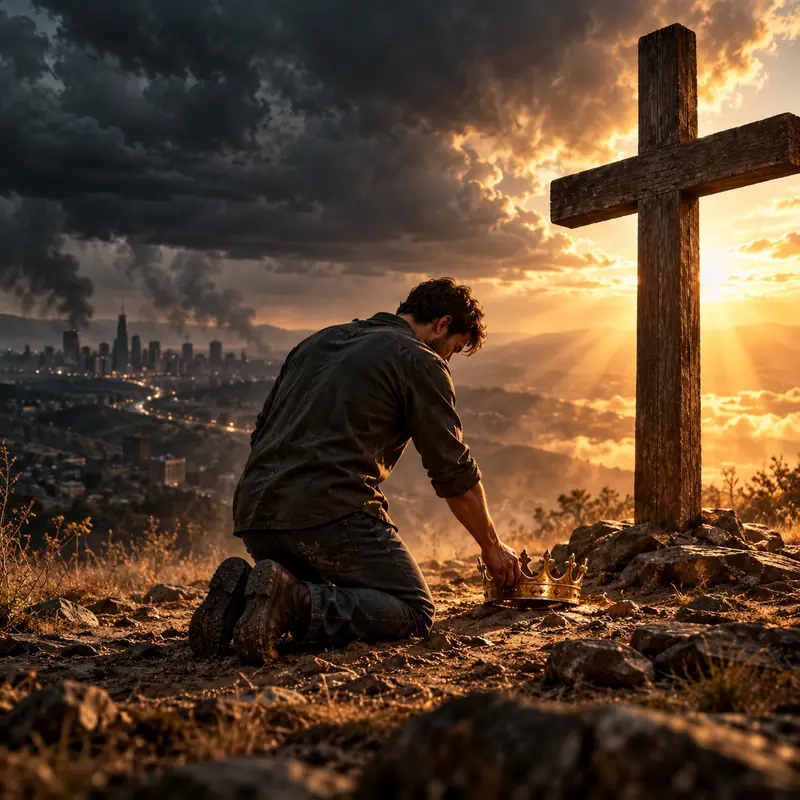
Jesus offers freedom from sin
You cannot earn your way into Heaven.
No quantity of good deeds, charitable donations, religious observances or personal sacrifices can erase your sins. Salvation is not a reward for people who manage to become good enough. It is a gift from God, made possible by what Jesus Christ has already accomplished.
Jesus offers forgiveness to everyone who comes to Him.
It does not matter how far you have fallen, how many years you have wasted, or what you have done. Christ came to call sinners, not congratulate the righteous. No one is beyond His power to forgive if they genuinely turn to Him.
But you must repent — not merely agree that He exists.
To repent means to turn around. To acknowledge that you have lived in rebellion against God, to abandon that rebellion, and to turn toward Him. Faith means trusting Jesus Christ to save you and accepting His authority over your life. It is not enough to admire Jesus, believe He was a good man, or call yourself a Christian.
You must surrender your life to Him.
Jesus calls us to follow Him, not merely to include Him among our other interests. That means giving up the supposed right to decide for yourself which of God's commands are worth obeying. He becomes your Lord, not just someone you call upon when you need help. You come to Him as you are. But you do not come with the intention of remaining as you are. And you are not expected to make this transformation alone.
5
Following Christ means becoming a new person — and remaining faithful to Him.
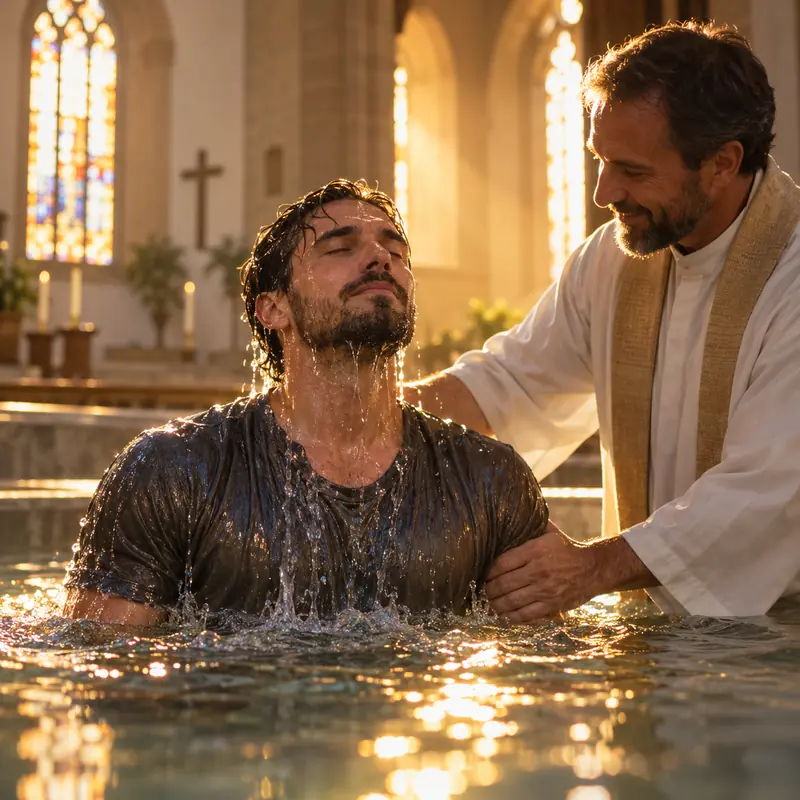
Baptism into the new life
God Himself comes to dwell within those who turn to Him.
When a person genuinely turns to Christ, God gives them His Holy Spirit. This is not merely inspiration, positive thinking or a feeling of religious enthusiasm. It is God's presence within a human being — teaching, strengthening, correcting and transforming that person from within. The Christian life is not simply an attempt to become a better person through willpower. It is a new life lived with God.
He calls you to abandon sin and become holy.
The Holy Spirit does not come to make you comfortable in your old life. He comes to change it. That means turning away from dishonesty, sexual immorality, hatred, greed, pride, cruelty and every other practice that separates us from God. But holiness is more than avoiding wrongdoing. Jesus commands us to love God with our whole being and to love our neighbors as ourselves: to forgive, show mercy, serve others, care for those in need and seek what is good.
You must build your entire life around Him.
Be baptized. Read the Bible, beginning with the Gospels, so that you learn who God is and what He commands. Pray every day. Find a faithful church where you can worship, receive instruction, share in the life of other believers, and be corrected when you go astray. Christianity is not a private opinion. It is a life to be lived.
And you must persevere, because the struggle does not end when you believe.
Scripture warns that the devil is real — a deceiver who seeks to turn people away from God. Temptation, suffering, persecution and our own sinful desires remain genuine dangers. Do not imagine that a prayer spoken years ago gives you permission to abandon Christ today. He calls His followers to remain faithful, resist evil and endure to the end. And when you fall, do not hide from God or give up. Repent, seek His forgiveness, and return to Him. His mercy is not exhausted by our weakness. The goal is not sinless perfection achieved through human effort. It is a life increasingly transformed by His Spirit, steadfast in faith and obedience.
6
Jesus Christ will return — and every human being will face eternity.
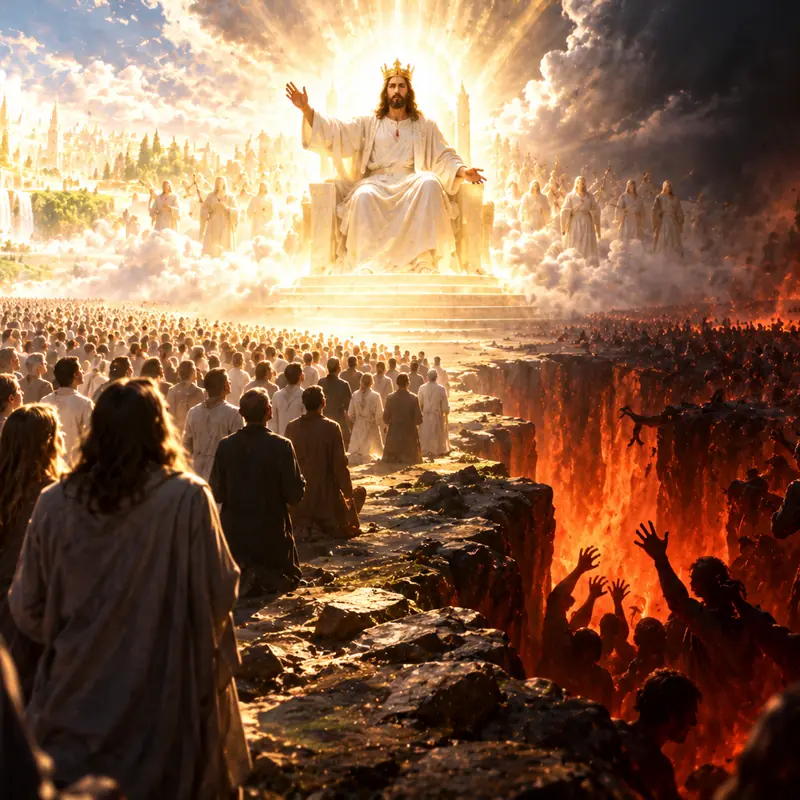
Christ the King returning in glory
Human history is going somewhere.
The world will not continue forever as it is. Jesus Christ promised to return — not as a suffering servant, as at His first coming, but in glory and power. He will bring an end to evil, establish His righteous rule, and fulfill what God has promised. The timing is not ours to know. But His return is part of the Christian hope.
Death will not have the final word.
Scripture teaches that the dead will be raised. Just as Christ rose bodily from the grave, those who belong to Him will share in His resurrection. Eternal life is not simply floating through the clouds as a disembodied spirit. God promises a restored creation, free from the corruption that now surrounds us.
Every human being will stand before God.
Nothing is hidden from Him. Every cruelty, every injustice, every secret act, every motive of the heart — all will be brought into the light. Those who suffered unjustly will not be forgotten. Those who prospered through evil will not escape accountability. God's judgment will be perfectly just. No one will be able to deceive Him or purchase His favor.
Heaven is real. And Hell is real.
For those who belong to Christ, God promises eternal life in His presence — without sin, death, mourning or suffering. A life beyond anything this broken world can offer. But Scripture also warns of eternal punishment and separation from God for those who finally reject Him. Hell is not merely an unpleasant metaphor. It is a warning Jesus Himself repeatedly gave. This is why the Gospel matters so much. Christianity is not offering you one lifestyle among many. It claims that your choices in this life have consequences reaching into eternity.
The way back to God is open.
You were created for more than a few decades on earth followed by oblivion. God made you to know Him. You have sinned against Him, as we all have. But Jesus Christ died for your sins, rose from the dead, and offers you forgiveness and eternal life.
The invitation is real. So is the choice.
Turn away from sin. Put your trust in Jesus Christ. Give your life to Him. Follow Him, not just today, but for the rest of your life. You do not need to have every theological question answered before you can begin. But you should take seriously the question on which everything depends.
Did Jesus Christ really rise from the dead?
If He did not, Christianity collapses. If He did, then this is not merely an interesting religious story. It is the most consequential news you will ever hear.
“For God so loved the world, that he gave his only begotten Son, that whosoever believeth in him should not perish, but have everlasting life.”
- John 3:16