The God of the Bible is real. Science proves it.
Faith has been sold as something spiritual, not rational — private, relative, never to be tested. The evidence says otherwise — and every piece of it can be checked.
Not a feeling. Not a tradition. Not a blind leap. Something you can check for yourself.
The truth is never afraid of any inquiry.
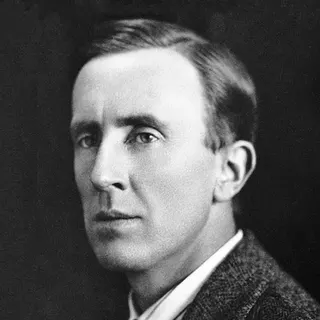
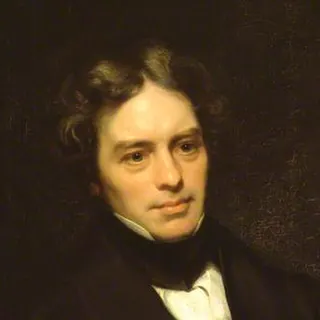
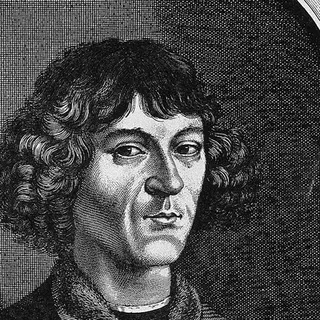
Believed by some of history's greatest minds.
Not proof of Christianity. Proof that Christian faith and serious thought have never been opposites.
-
-
-
-
-
-


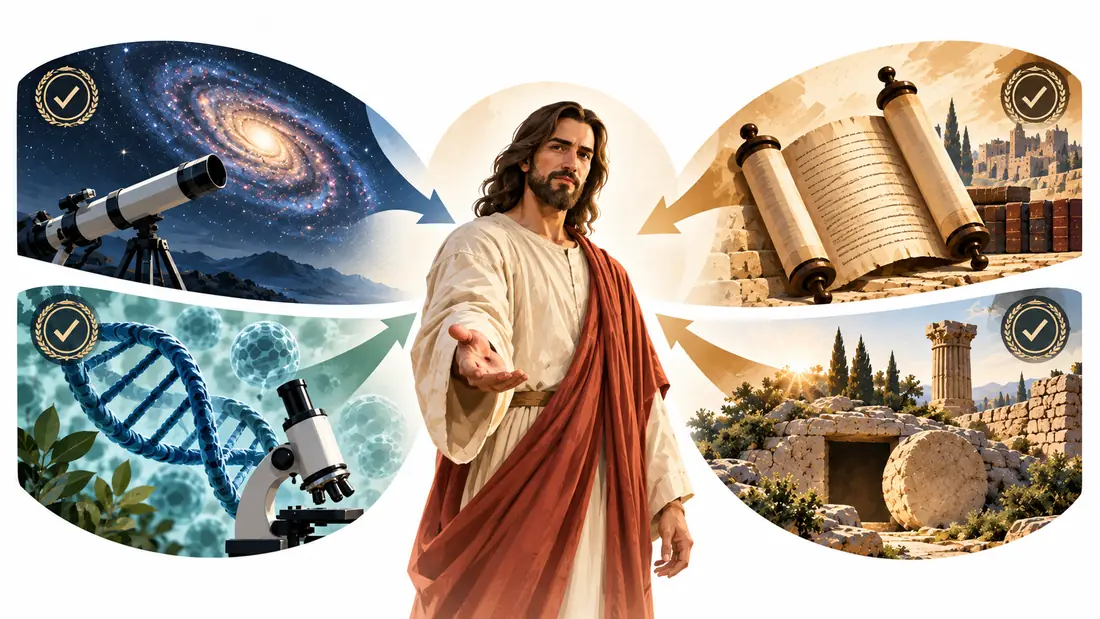
- Scientific observations and data
- Peer-reviewed research
- Archaeology and inscriptions
- Ancient manuscripts
- Primary historical records
- Documented near-death research
Science and religion are not at odds
The more we study genetics, neuroscience, and archeology, the louder they all say the same thing — God. The evidence has never been stronger.
Why should I care?
Heaven is what you gain. Hell is what you lose.
Heaven: everything you were made for
Not a warm feeling — a world. Known by name, made whole, in the presence of the God who made you, with every question finally answered in person. This is what the evidence is a doorway to.
Hell: everything you were warned about
Jesus spoke of it more than heaven — fire that does not consume, a separation that does not end. Nobody is dragged there. It is what is left when someone gets what they asked for — forever.
You are not short on evidence. You know what being wrong would cost you.
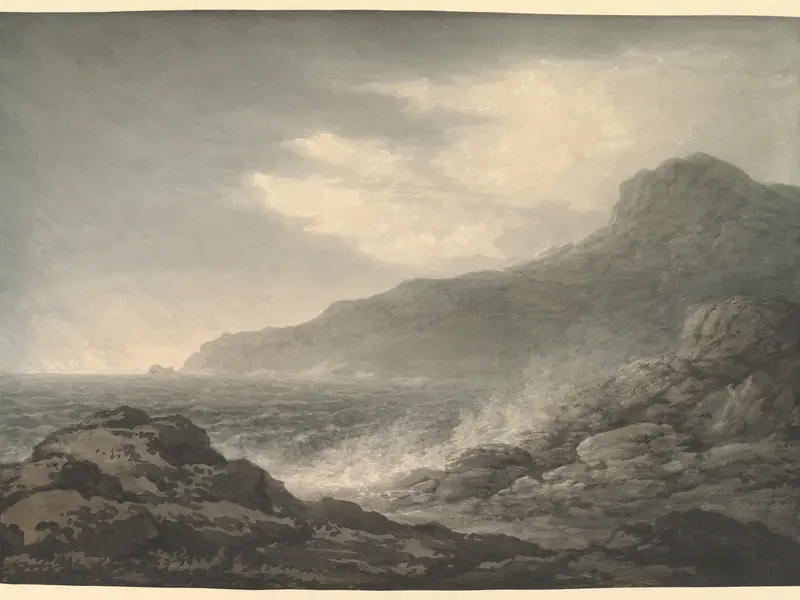
He wants to know you
The Supreme Being in all of existence loves you — infinitely more than any human ever has or will. He wants to know you. He made the first step: He died for you. You may want to answer Him.
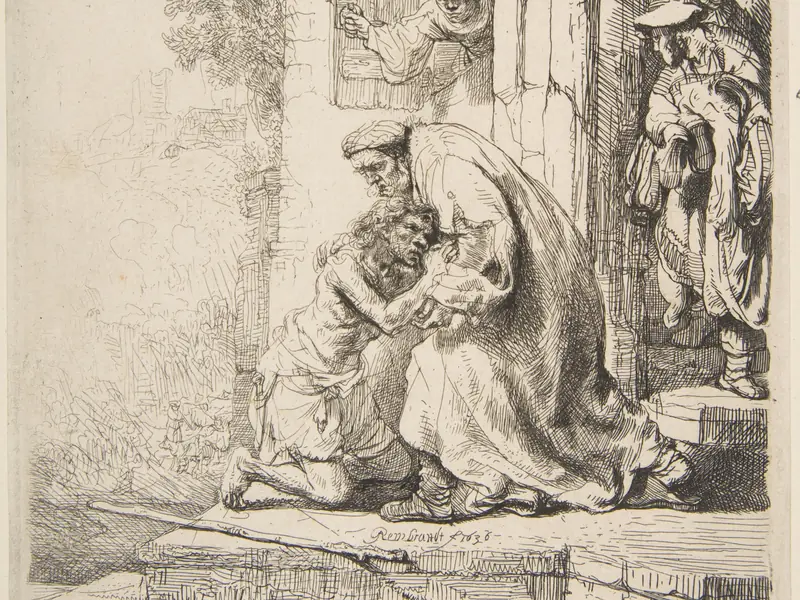
Matter cannot create itself
The "big bang" only describes the explosion — not the spark. Something that is not matter put it here.
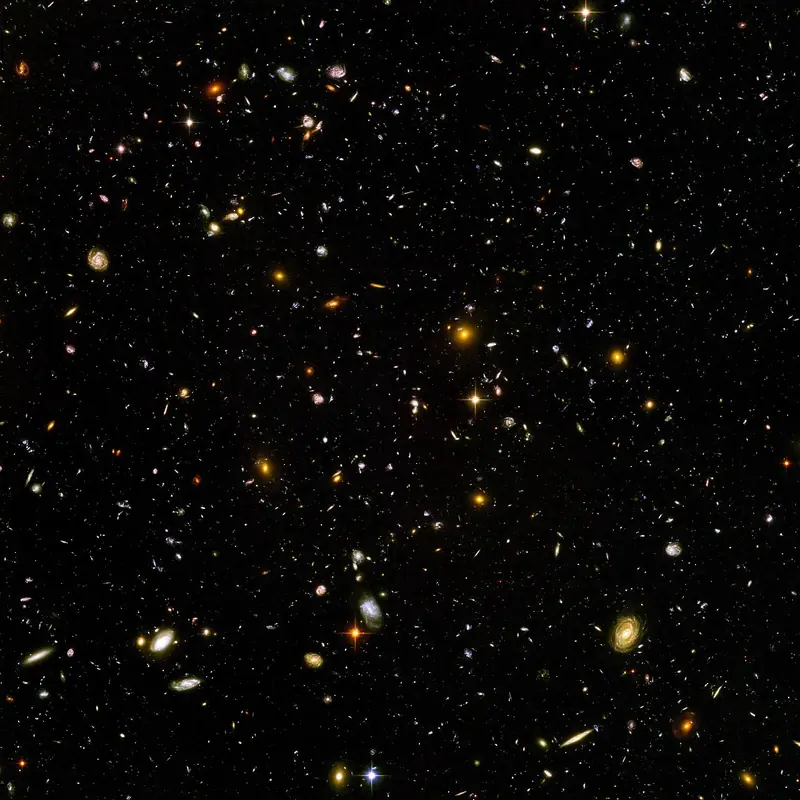
Hubble Ultra Deep Field. NASA and ESA. Public domain.
Earth is meticulously fine-tuned to support life
Change any constant by a hair and nothing lives. Not one planet we have found comes close. Someone built us a home — before placing us in it.
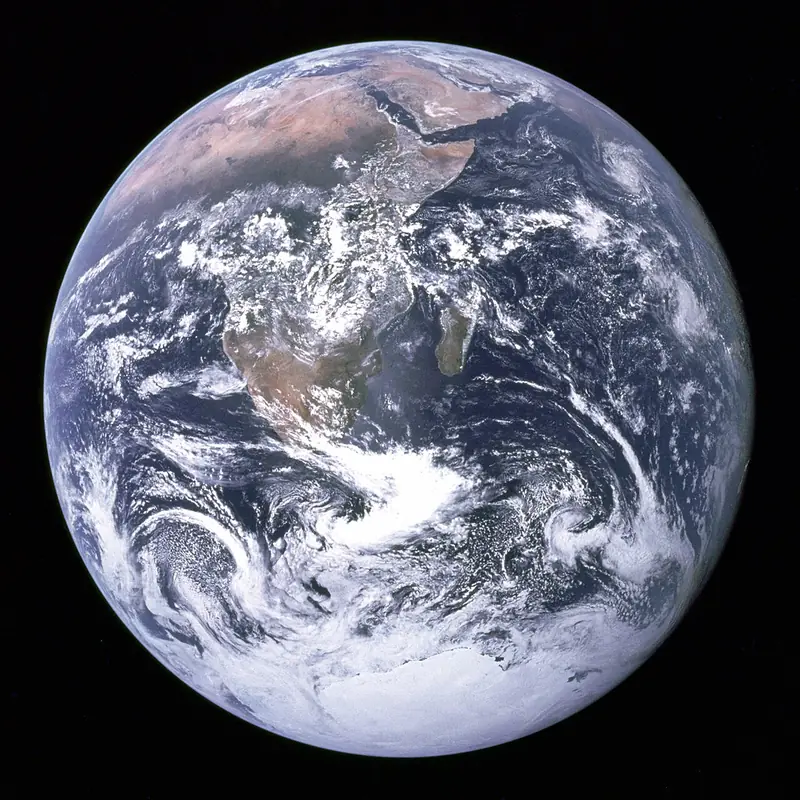
Earth, Apollo 17, NASA. Public domain.
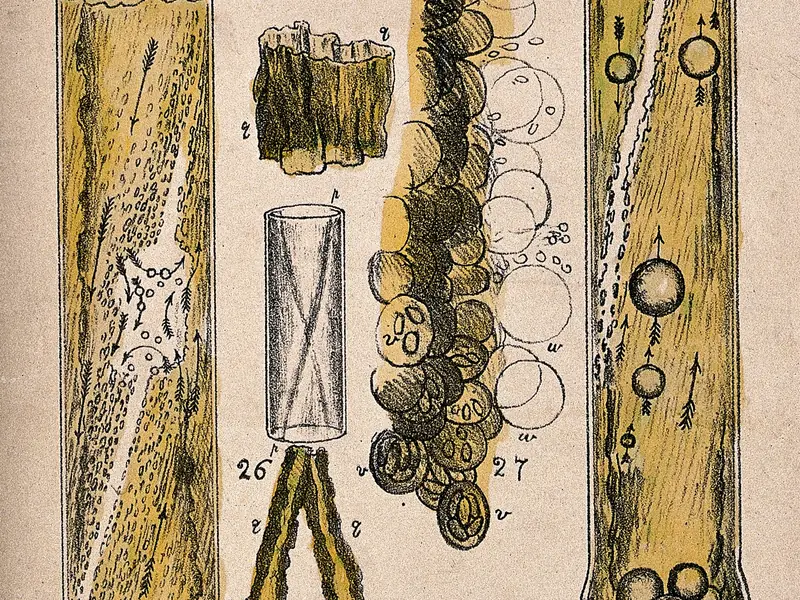
Life CANNOT emerge from non-life
Not from a lightning strike in a puddle. Not once, in any laboratory, ever. Dead matter stays dead — life only comes from life.
Evolution cannot exist without DNA
DNA is a code — and codes come from minds. Two genders, organs that fit together: none of it writes itself.
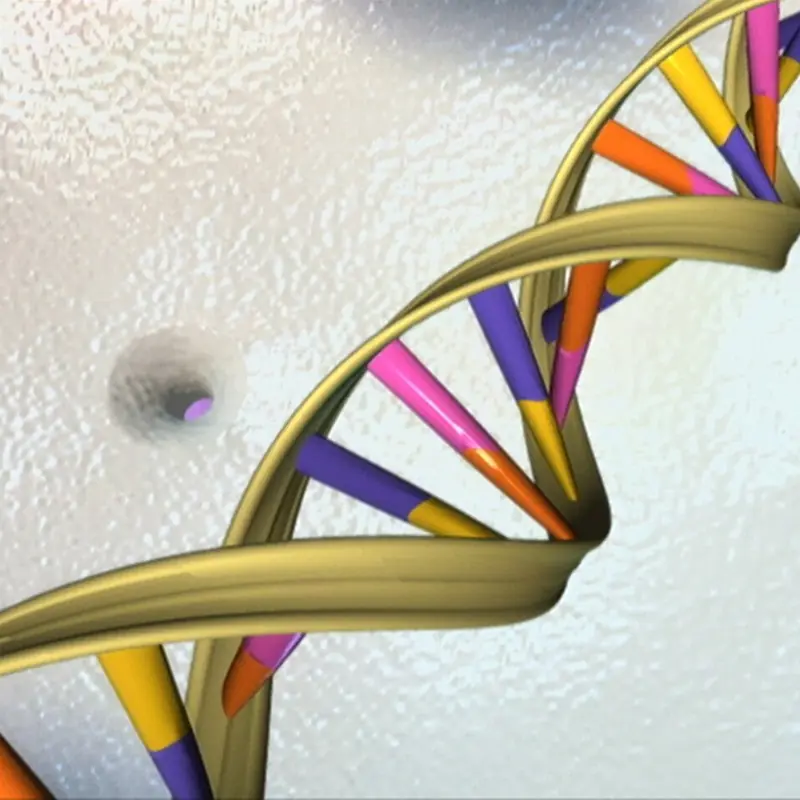
DNA double helix. NHGRI. Public domain.
So, which Creator?
The God of the Bible revealed Himself openly — by name, by place, and by prophecies written centuries in advance. No other god even tries.
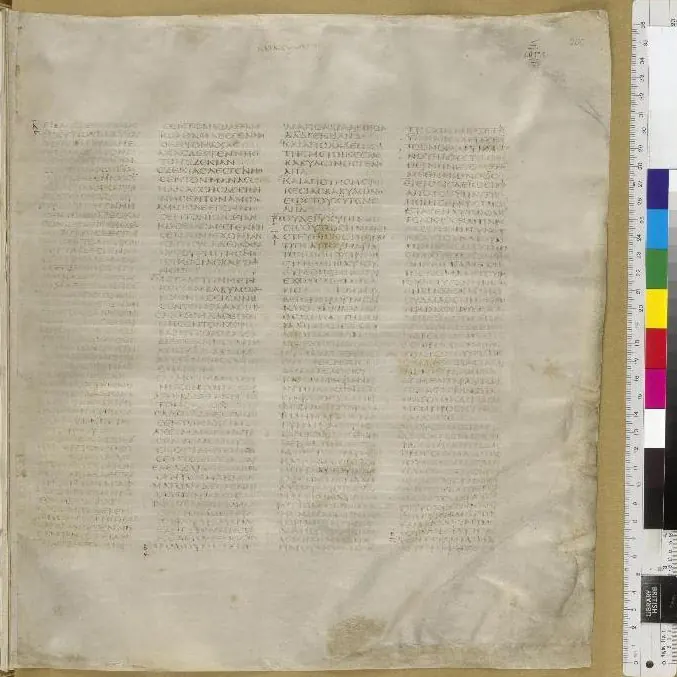
Codex Sinaiticus, Matthew 1. Public domain.
Fulfilled prophecy
Isaiah described the crucifixion seven centuries before Rome did it. The price of betrayal: thirty pieces of silver. Bones that would not break. Written first — history followed.
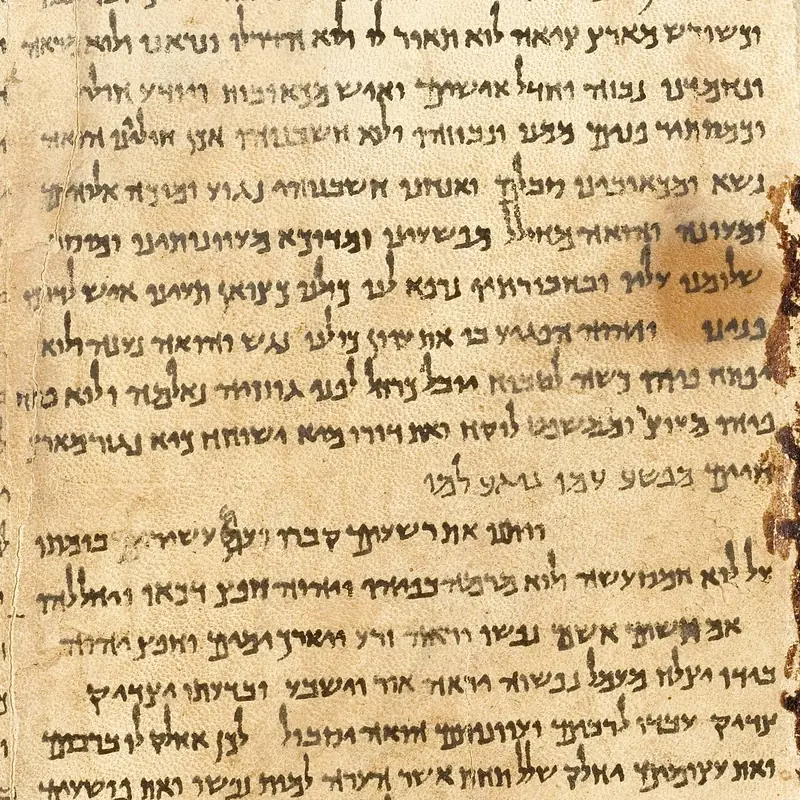
Isaiah 53, Great Isaiah Scroll, about 125 BC. Public domain.
Archeology confirms the Bible at every turn
Jericho's walls. Chariot wheels on the seabed of the Gulf of Aqaba. 185,000 Assyrian soldiers dead in their camp in one night. The Bible names the places — the ground confirms them.

Coral on the seabed of the Gulf of Aqaba. Public domain.
Jesus' Burial Shroud Proves the Resurrection
The most scientifically-studied object in the world. Impossible by human means. Impossible to reproduce, even today. A unique image — without paint or pigment. Possible only as the result of the Resurrection.
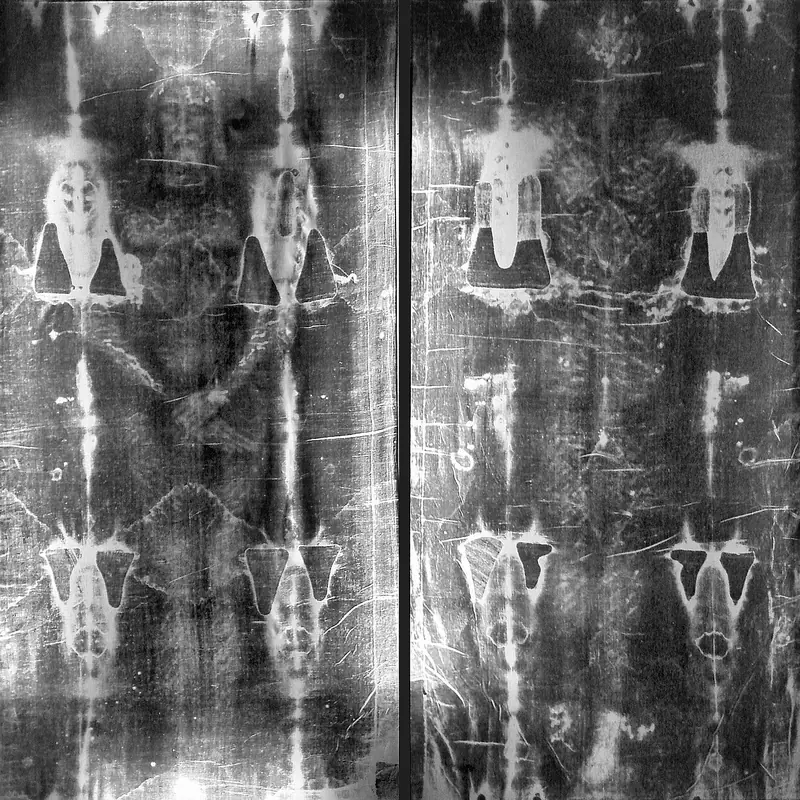
The Shroud of Turin, as a photographic negative. Public domain.
The miracle of early Christianity
A religion that offers no riches, that goes against every human desire and preaches a God Who died a horrible death. Spread not by the sword. In spite of unheard-of persecution. Spread by love — and God Himself.
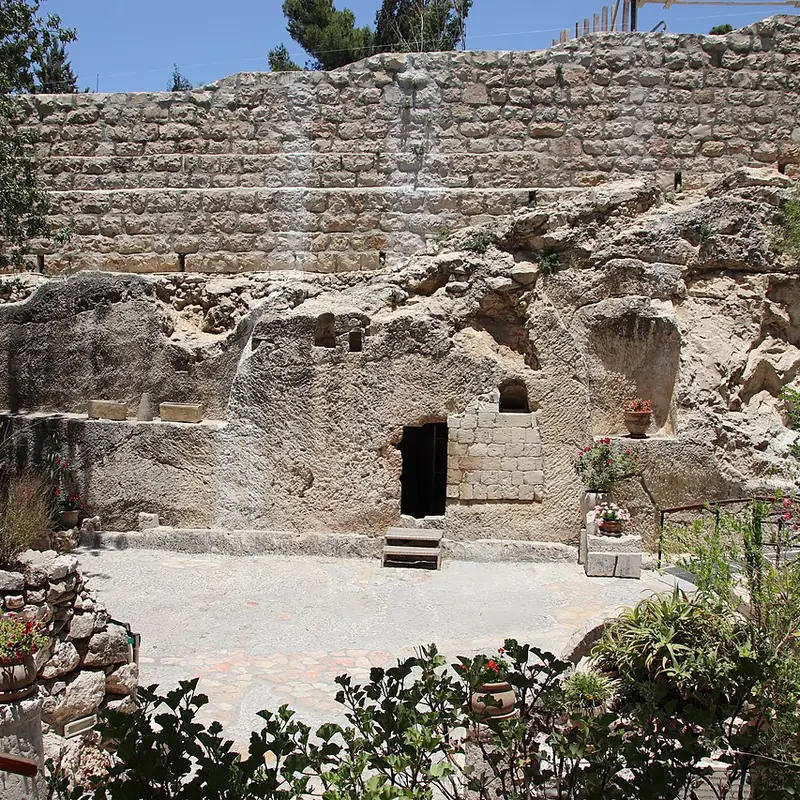
The Garden Tomb, Jerusalem. CC0.
Miracles never stopped
Fire that comes every year and does not burn. Bodies of saints that never decay. Healings that leave doctors without an explanation. The dead brought back after hours — no brain damage, no tissue damage. All documented. All studied.
The brain is not the mind
Declared dead — heart stopped, brain flatlined — they return describing the room, the instruments, the conversations, in perfect detail. Near-death experiences are the one data point materialism cannot file away.
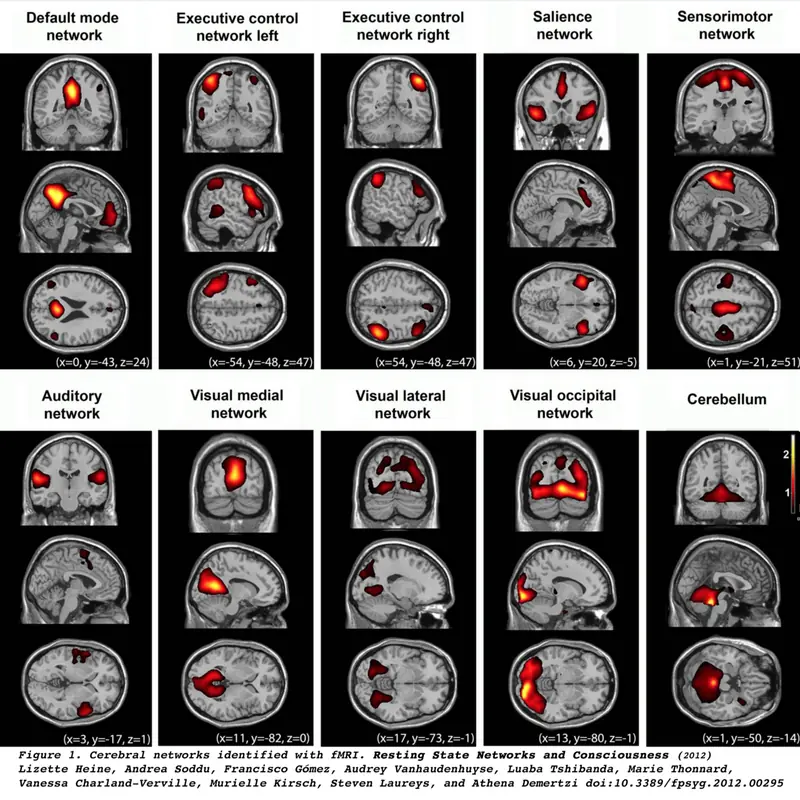
Resting brain networks, fMRI. Heine et al. 2012, CC BY 3.0.
“The prophecies are the strongest proof of Jesus Christ.”
— Blaise Pascal
Only one explanation survives
Every other answer collapses under scrutiny. Not atheism. Not Buddha. Not Ganesh. Not Allah. Only Christ.
Every claim links to its source. Nothing asks for your trust.
The civilizational fruit
What followed from the faith
Christian ideas did not merely produce theology. They repeatedly produced institutions, movements and people devoted to learning, human dignity and care.
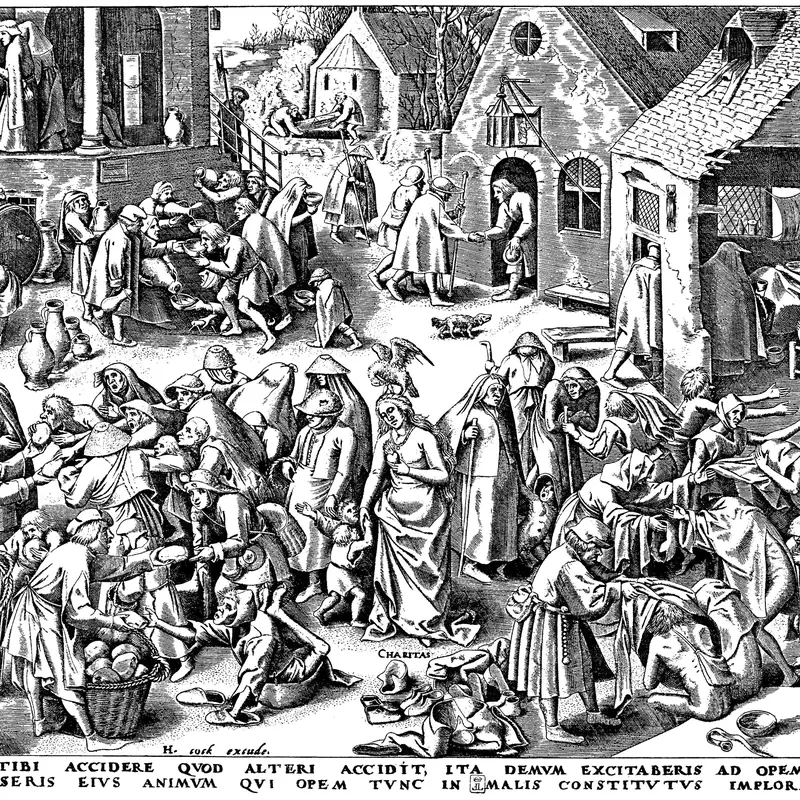
Care · 4th century onward
In late antiquity, Christian communities — from Basil of Caesarea's Basileiad onward — played an important role in the institutional development of hospitals. Monasteries, church orders and city charities went on to make care of the sick, the poor, widows and orphans a lasting institution across Christendom.
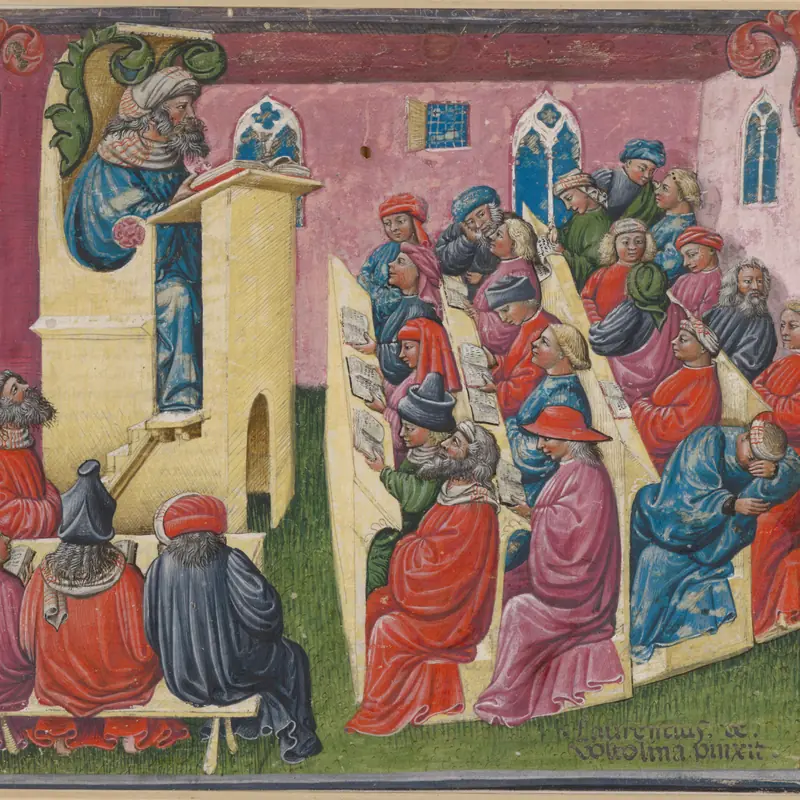
Learning · 11th–13th centuries
Medieval churches, monasteries, cathedral schools and the universities that grew from them provided the central institutional settings for scholarship. The schools of Paris, Bologna and Oxford became chartered communities of scholars whose records still sit in their own archives.
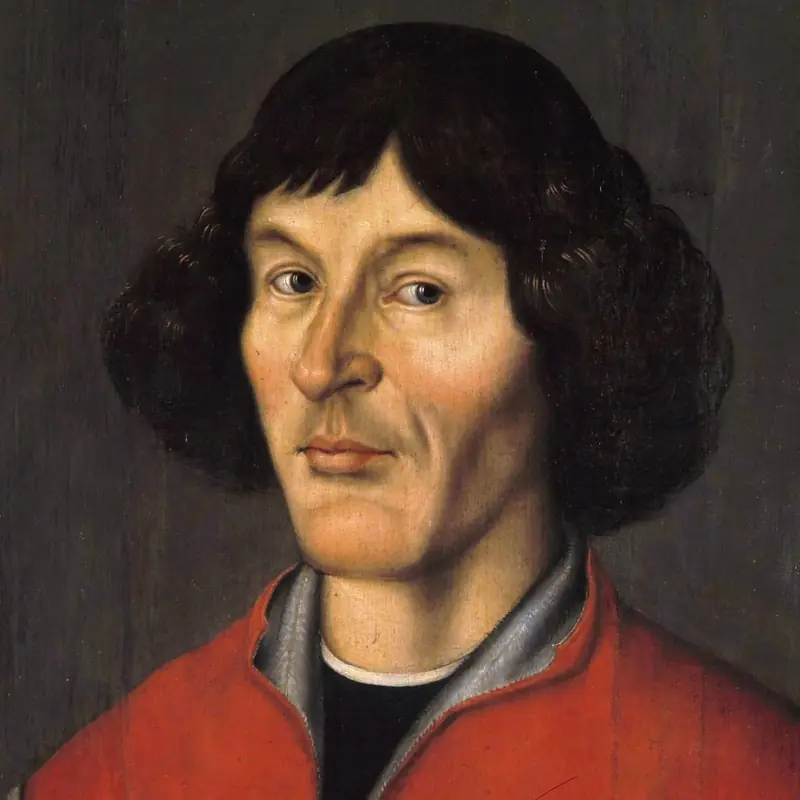
Science · 16th–17th centuries
Christian belief was deeply intertwined with many major figures of the Scientific Revolution — Copernicus was a cathedral canon, Kepler was devout, and Newton wrote far more theology than physics. The medieval university had already given natural philosophy a permanent home.
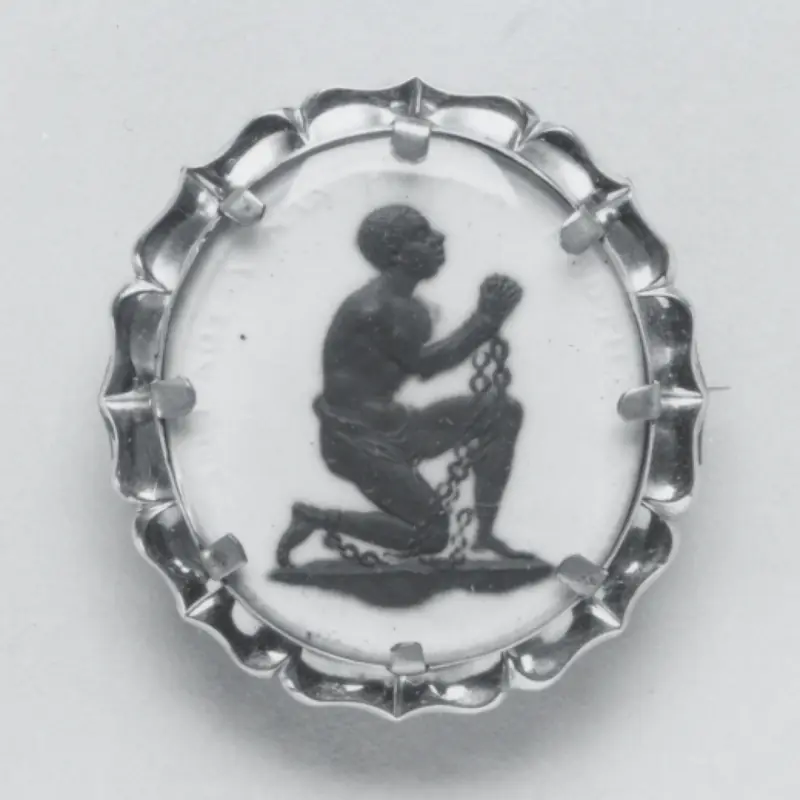
Abolition · 1787–1807
Christians held slaves, and Christians were central actors in ending the British slave trade — the same Bible was quoted on both sides. Quakers and evangelicals such as Wilberforce and Clarkson, and the 1787 society whose medallion asked 'Am I not a man and a brother?', drove a movement that ended Britain's participation in the trade in 1807.
The record is mixed, and this section does not pretend otherwise: Christians participated in slavery as well as abolishing it, and no part of this history was spotless. The claim here is only the modest one — that certain Christian moral ideas repeatedly produced extraordinary institutions, movements and people devoted to learning, human dignity and care.
Why have I been lied to?
The devil is real, and his people have all the money and all the power - as the Epstein files recently revealed. Buying a few scientists is cheap when you own the institutions. And notice what gets fudged: never tomorrow's experiment - ancient history cannot be rerun, so that is exactly where the story keeps getting rewritten.
Check it yourself
Every claim here is verifiable. The documents are public, the excavations are published, the photographs are all out in the open - nothing on this site asks you to take our word for it.
Proof you cannot check is not proof.
Have objections? God can handle them.
The truth welcomes questions — open the answers.
How can God allow evil?
A love that can never be refused isn't love, and a world without risk isn't a gift. The cross is God's answer to evil, not His excuse for it.
Why did God kill in the Old Testament?
Because judgment is what justice looks like when He runs it. The real question is why He waited so long.
How could a loving God send people to hell?
He sends nobody. The door locks from the inside — hell is what love looks like when it finally lets go.
Is the Bible reliable?
More copies, closer to the events, than any other book from the ancient world. Full answer
Did Jesus rise from the dead?
Four accounts, written while the witnesses were still alive. The details hold up. Full answer
How old is the earth?
The Bible gives the ages, and they add up to thousands of years - not billions. Full answer
Who were the nephilim?
Genesis names them, and the ancient record outside the Bible says the same thing. Full answer
But why doesn't God reveal Himself fully?
Because love that cannot be refused is not love - it is control. If God stamped His proof on every heartbeat until doubting was impossible, you would believe the way you obey gravity: not as a person, but as a reflex. He made minds that can say no, and He will not take that back.
So He does the one thing love can do: He comes close enough to be found, and stays free enough to be missed. Creation shouts, conscience whispers, history is crowded with Him, and the cross is where He put everything on the table. The offer has never changed: seek Him with an honest heart and you will find Him. This site exists to put that evidence in front of the search.
Nothing that matters is hidden from you. The evidence is public - creation, prophecy, archaeology, a risen man, transformed lives. You are not asked to feel your way in the dark. You are asked to look at what is already in the light.
Every other faith asks you to believe.
This one asks you to check.
No other religion even tries to prove itself — only Christianity does.